

This lesson is a comparison of the mountain ranges and swamps in Trinidad and Tobago.
At the end of this lesson, students will be able to:
- Compare the major mountain ranges and swamps in Trinidad and Tobago using three geographic characteristics.
- Contrast the major mountain ranges and swamps in Trinidad and Tobago using three geographic characteristics.
- Reflect on the roles that landscapes play in biodiversity by stating why preserving mountains and swamps ecosystems is important for Trinidad and Tobago.
- Create a digital comparison chart or infographic (Canva) that visually organizes the differences and similarities between mountain ranges and swamps.
Comparison of Major Mountain Ranges and Swamps in Trinidad and Tobago
Elevation
- Mountain Ranges:
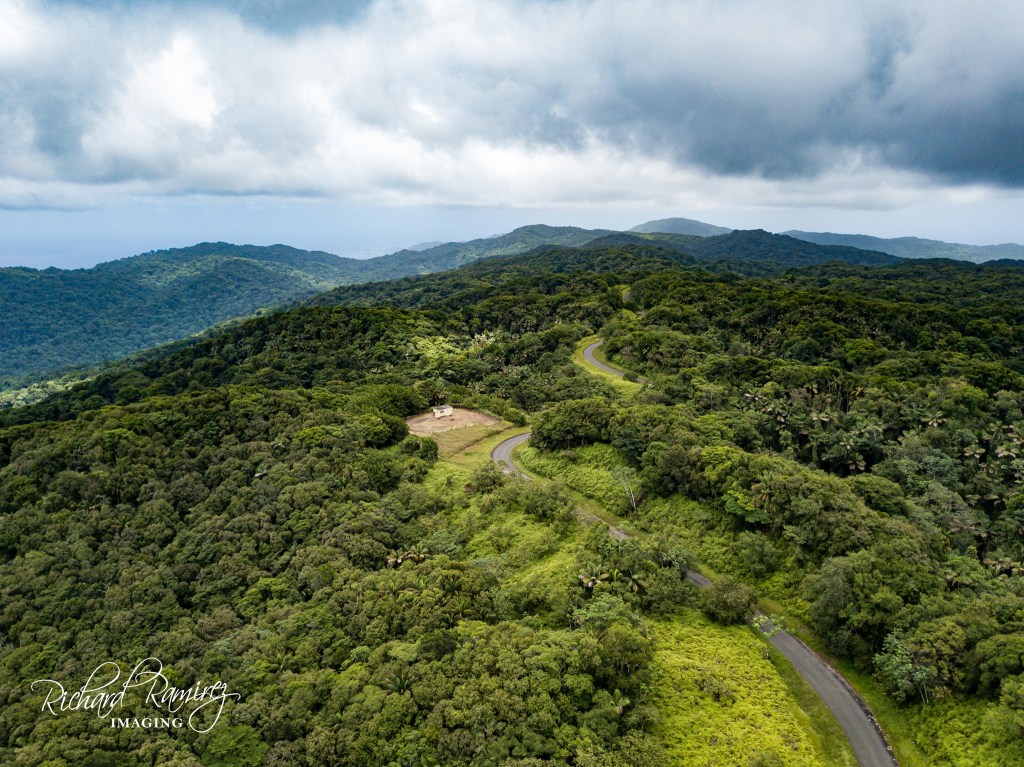
- The Northern Range includes El Cerro del Aripo (940 m) and El Tucuche (936 m), the highest peaks in the country.
- The Central and Southern Ranges are lower, with rolling hills.
- Swamps:
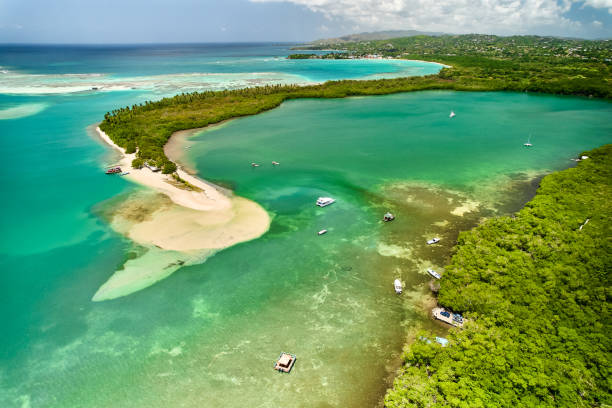
- The Caroni and Nariva Swamps lie at or near sea level, forming low-lying wetland basins.
Geology and Soil Composition
- Mountain Ranges:
- The Northern Range is composed mostly of igneous and metamorphic rocks, while the Central and Southern Ranges contain sedimentary rocks.
- Swamps:
- Swamps exhibit alluvial soils, clay, and organic-rich peat deposits shaped by river sedimentation and tidal processes.
Vegetation and Ecosystems
- Mountain Ranges:
- Dominated by tropical montane and evergreen forests, with high plant diversity.
- Provide habitats for species such as the ocelot, red howler monkey, and numerous endemic birds.
- Swamps:
- Caroni Swamp supports mangroves, seagrass beds, and brackish wetlands; Nariva includes freshwater marshes.
- Key habitats for the scarlet ibis, manatees, and diverse fish and bird populations.
Contrast of Mountain Ranges and Swamps
Hydrology
- Mountain Ranges:
- Act as watersheds, feeding rivers such as the Caroni and Ortoire.
- Swamps:
- Function as water storage and filtration systems, moderating floods and trapping sediments.
Climate Influence
- Mountain Ranges:
- Influence rainfall patterns, creating microclimates with cooler temperatures and increased precipitation at higher elevations.
- Swamps:
- Maintain humid, high-moisture environments, contributing to local climate regulation through evapotranspiration.
Human Use and Pressures
- Mountain Ranges:
- Used for hiking, agriculture on foothills, quarrying, and water catchment.
- Swamps:
- Used for fishing, eco-tourism, and storm protection but threatened by drainage, pollution, and development.
Reflection: Importance of Preserving Mountain and Swamp Ecosystems
Biodiversity Conservation
- Mountains and swamps host unique species, including many that are endemic or endangered such as the West Indian manatee in Nariva and several high-altitude bird species in the Northern Range.
- Protecting these areas helps maintain genetic diversity and ecosystem resilience.
Ecosystem Services
- Mountain forests ensure clean water, soil stability, and regulate rainfall.
- Swamps provide coastal protection, flood mitigation, carbon storage, and serve as breeding grounds for fish and birds.
Cultural and Economic Value
- Landscapes support eco-tourism, recreation, and cultural identity.
- Healthy ecosystems boost fisheries, agriculture, and national climate-change resilience.
See below for Similarities and Differences between Mountains and Swamps.
Trinidad Swamps and Ranges: The Ultimate Quiz
Welcome to the Trinidad Swamps and Ranges quiz! Link #1 Take this Quiz to discover just how much you know about the natural wonders of T&T. Let the challenge begin!
Assessment – https://forms.gle/pe65mRfdjkqf9Z5cA
References
Open AI. (2025, November 25). Chat GPT. [Compare the major mountain ranges and swamps in Trinidad and Tobago using three geographic characteristics. Contrast the major mountain ranges and swamps in Trinidad and Tobago using three geographic characteristics. Reflect on the roles that landscapes play in biodiversity by stating why preserving mountains and swamps ecosystems is important for Trinidad and Tobago.].
Boodoo, C., and Bacon, P. R. (2020). Wetlands of Trinidad and Tobago: Ecology, conservation, and management. Caribbean Natural Resources Institute.
Kenny, J. S. (2008). The natural history of Trinidad and Tobago. Trinidad and Tobago Field Naturalists’ Club.
Murphy, J. C. (2018). Fauna, flora, and ecology of the Caribbean islands. Herpetological Conservation International.
Ramsar Convention Secretariat. (2014). The Nariva Swamp Ramsar Site: Ecological character description and management framework. Ramsar Publications.
Sookdeo, R. (2016). Geology and geomorphology of the mountain ranges of Trinidad. Journal of Caribbean Geography, 21(2), 15–28.
The video below shows the way mountains are important.
The video below shows the way swamps are important
 Trinidad Swamps and Ranges