

(Caribbean Birding Trail, 2020)
Introduction to the Kilgwyn Swamp
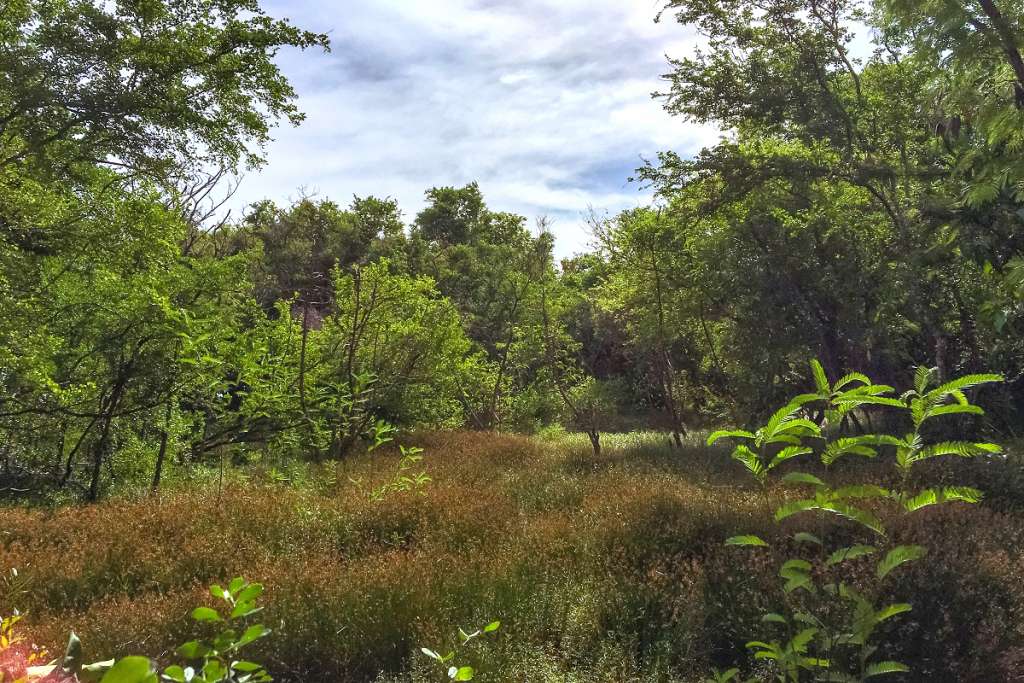
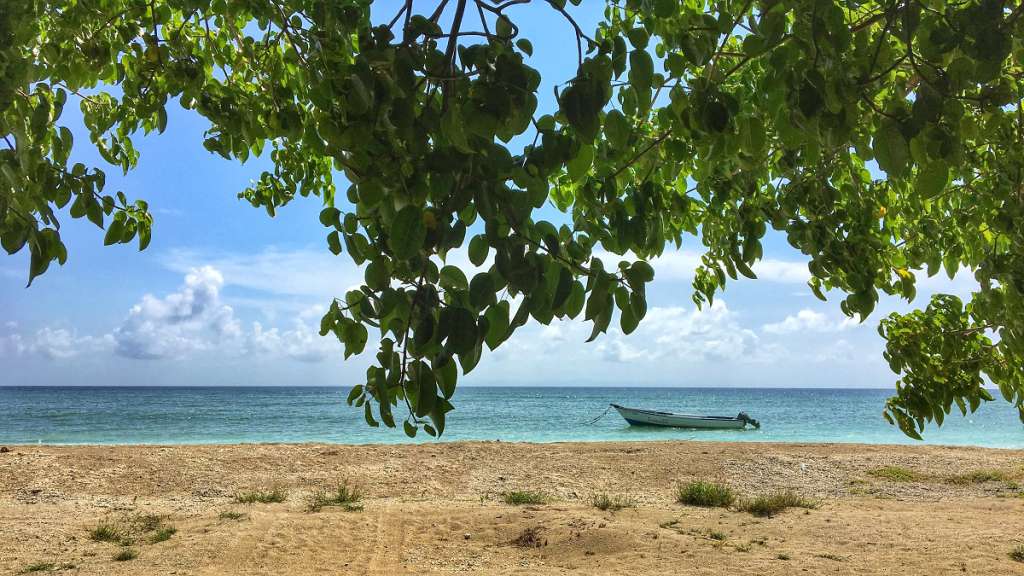
The Kilgwyn Swamp is a permanent brackish lagoon, separated from the sea by a sand bar, and fringed with mangroves (Caribbean Birding Trail, n.d.). It is a smaller swamp compared to others like Nariva and Caroni but it plays a big role in protecting the island’s coast and supporting wildlife.
Location
Kilgwyn Swamp is located on the southwest coast of Tobago near Crown Point and Bon Accord. The swamp is a basin mangrove forest which is a type of coastal ecosystem comprised of trees and shrubs adapted to heat, mud, and salt.
Wild Life
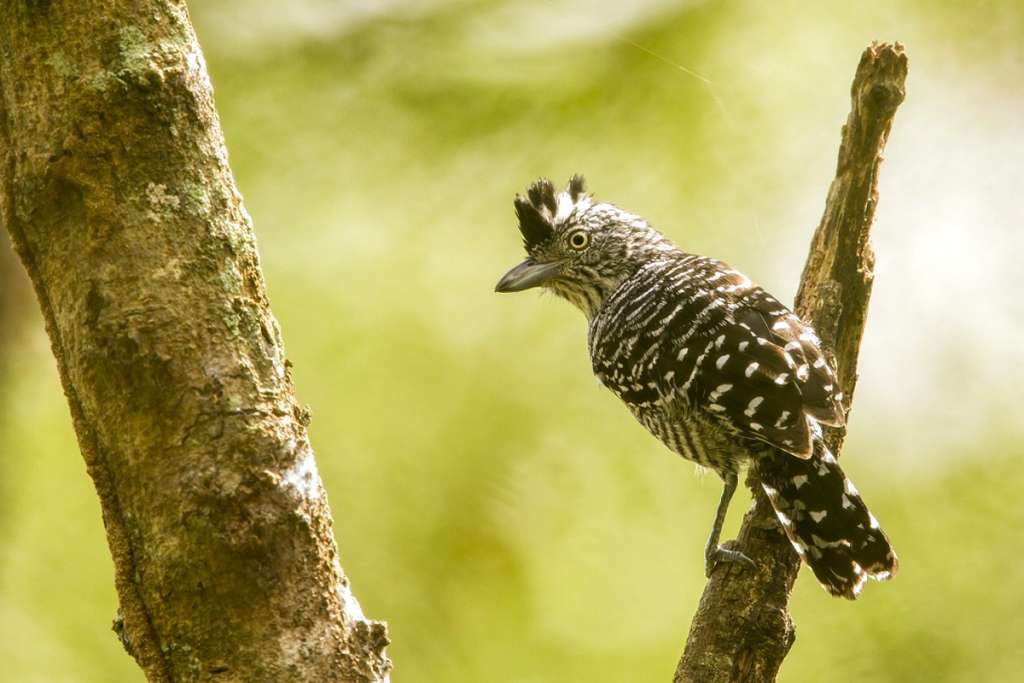
The swamp is filled with mangrove trees that provide shelter for many animals. Birds like herons, egrets, flycatchers, and hummingbirds. The swamp also attracts lots of migratory warblers like the Yellow Warbler and the Northern Waterthrush. (Caribbean Birding Trail, 2020)
Barred Antshrike (Photo by Faraaz Abdool)
Importance
Kilgwyn Swamp helps protect Tobago’s coastline from storms and erosion by acting as a natural barrier. It also supports biodiversity by providing safe habitats for birds and marine animals.
Conservation
The Kilgwyn Swamp is part of Tobago’s protected coastal areas. Nevertheless, it still faces threats from pollution. Conservation efforts focus on protecting the mangrove forests and controlling nearby construction. Environmental groups work to raise awareness about the importance of wetlands like Kilgwyn for Tobago’s future.
Fun Fact!

Kilgwyn Swamp is a popular spot for birdwatchers in Tobago.
References
Caribbean Birding Trail. (2020, April 28). Kilgwyn Swamp – Caribbean Birding Trail. https://caribbeanbirdingtrail.org/sites/trinidad-and-tobago/tobago/kilgwyn-swamp/
Government of the Republic of Trinidad and Tobago Ministry of Planning and Development, & Juman, Dr. R. [Dr. Rahanna Juman]. (2019, February). Our Wetlands: Our Defence. Ministry of Planning and Development. https://www.planning.gov.tt/content/our-wetlands-our-defence
 Trinidad Swamps and Ranges