

Introduction to the Northern Range
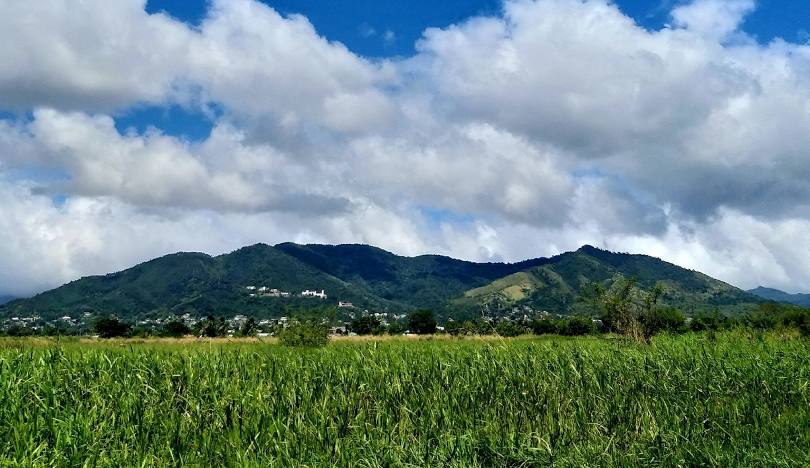
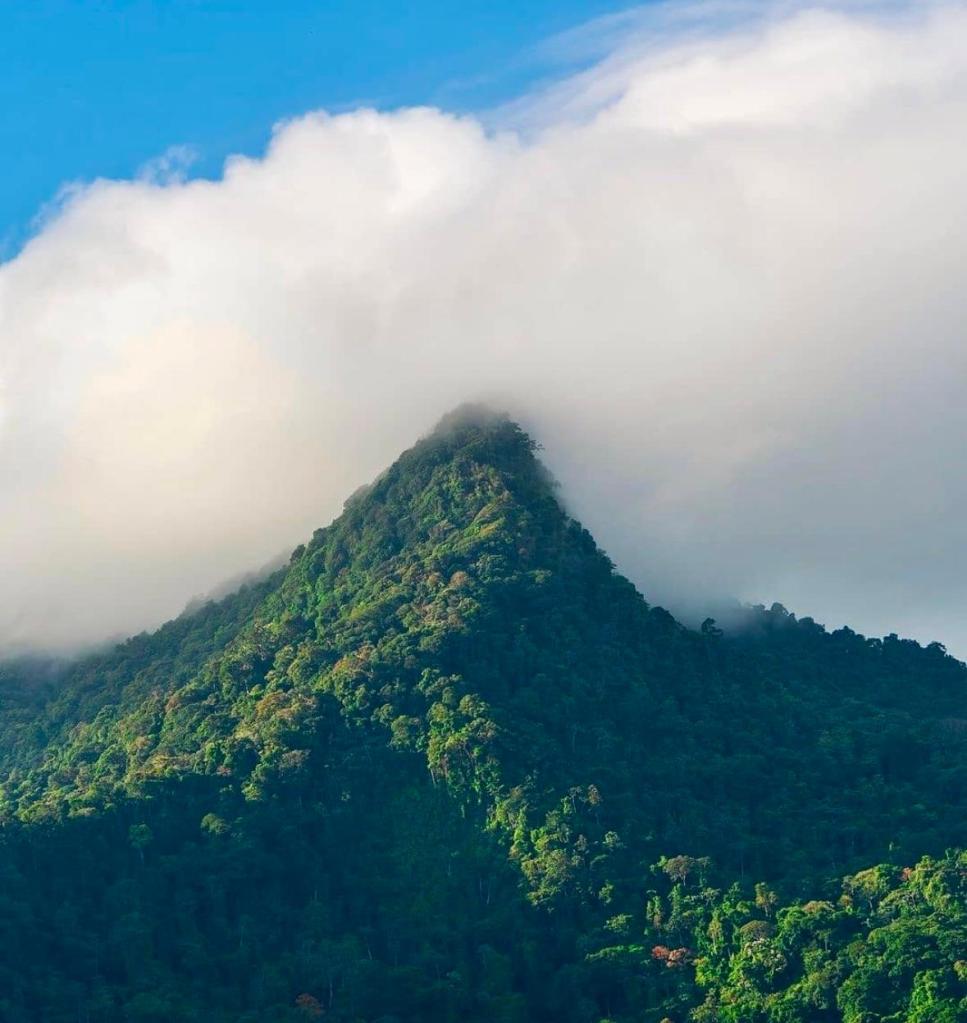
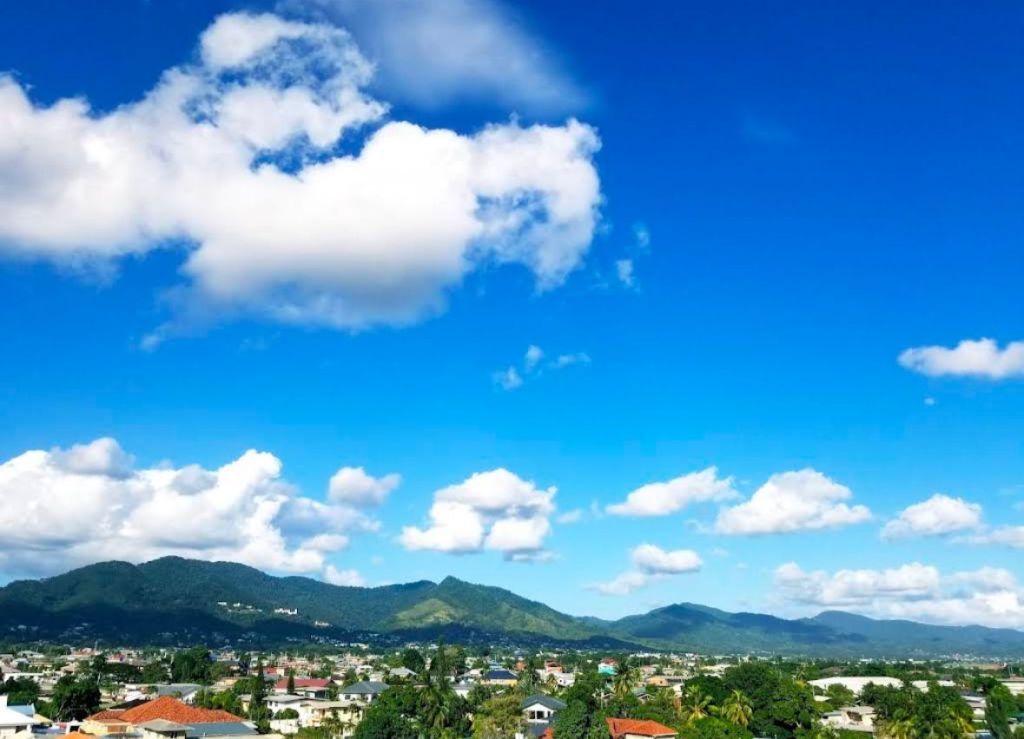
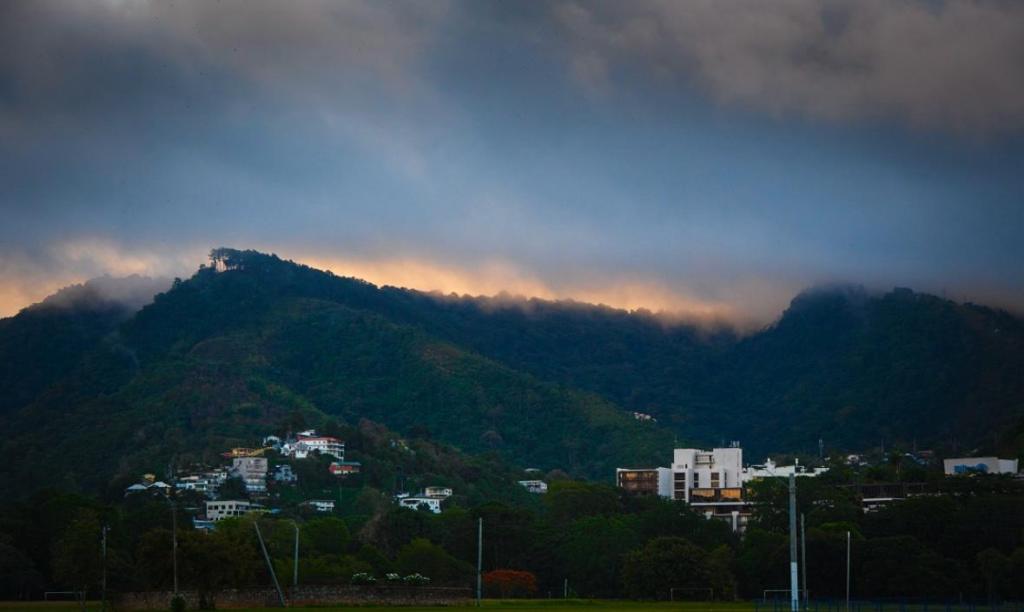
The Northern Range is the most prominent mountain range in Trinidad, stretching across the northern part of the island. It forms a natural barrier between the north coast and the rest of the island and is known for its breathtaking scenery, diverse wildlife, and significant role in Trinidad’s ecosystem.
Location and Physical Features
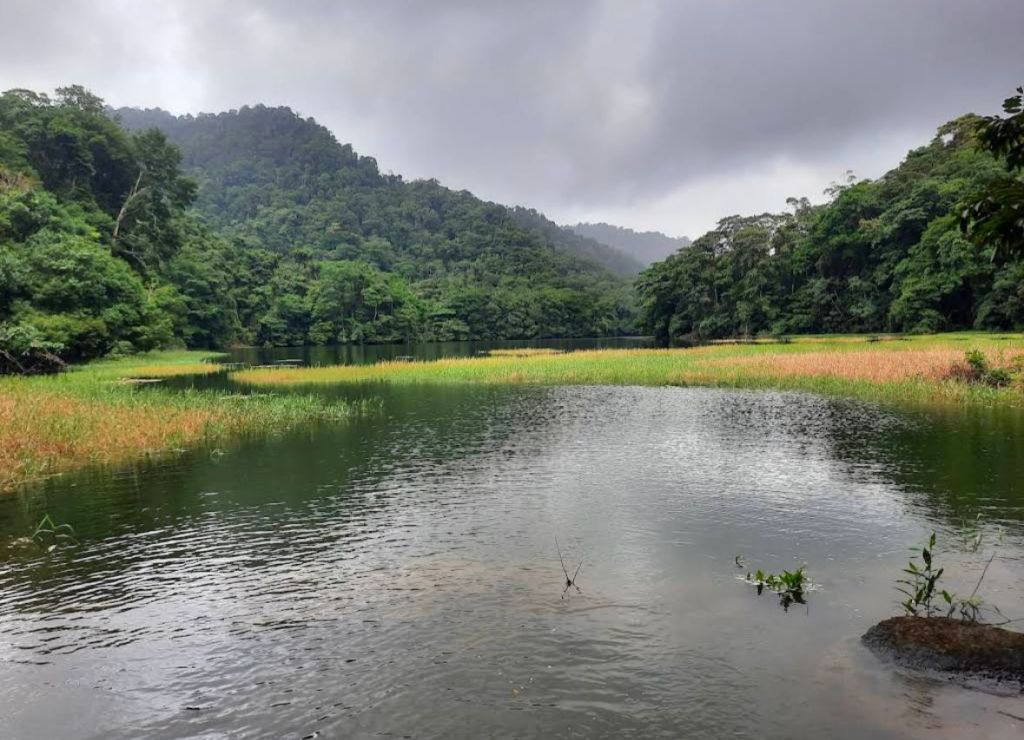
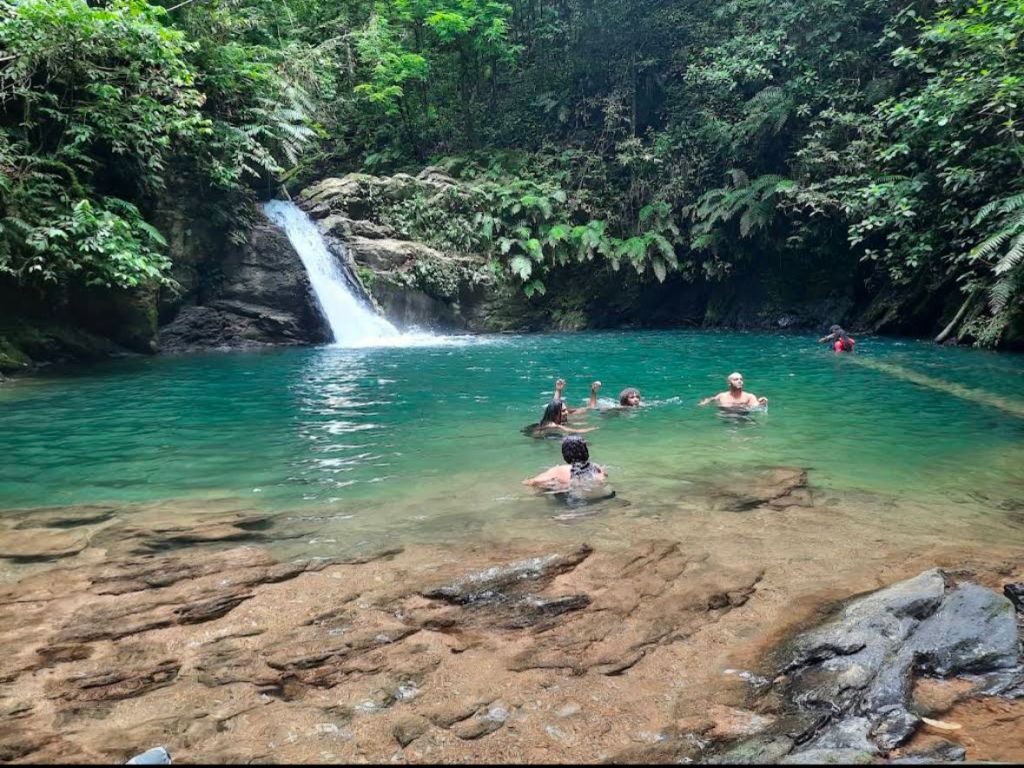
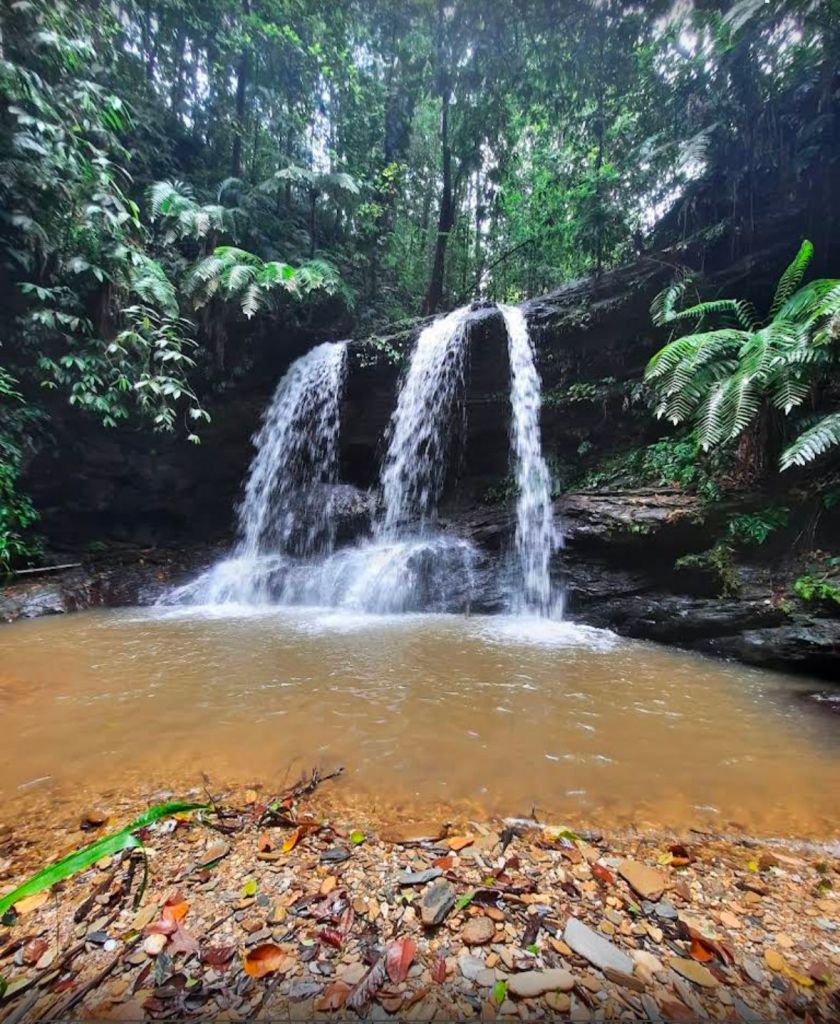
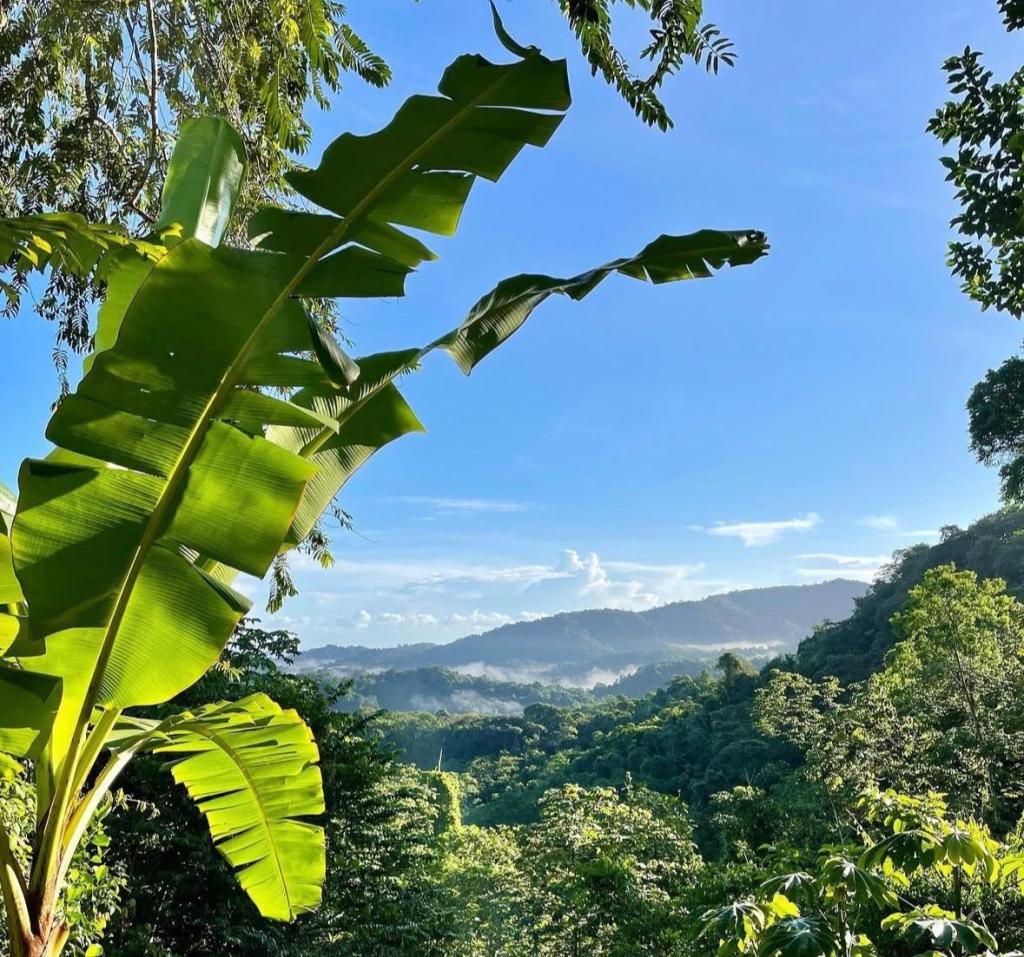
The Northern Range runs from the Chaguaramas Peninsula in the west to Toco in the east. It consists mostly of steep hills and rugged mountains, with several peaks rising above 900 meters. The terrain includes dense forests, deep valleys, rivers, and beautiful waterfalls that flow toward the Caribbean Sea.
Major Peaks and Mountains
Two of the highest peaks in Trinidad are located in the Northern Range:
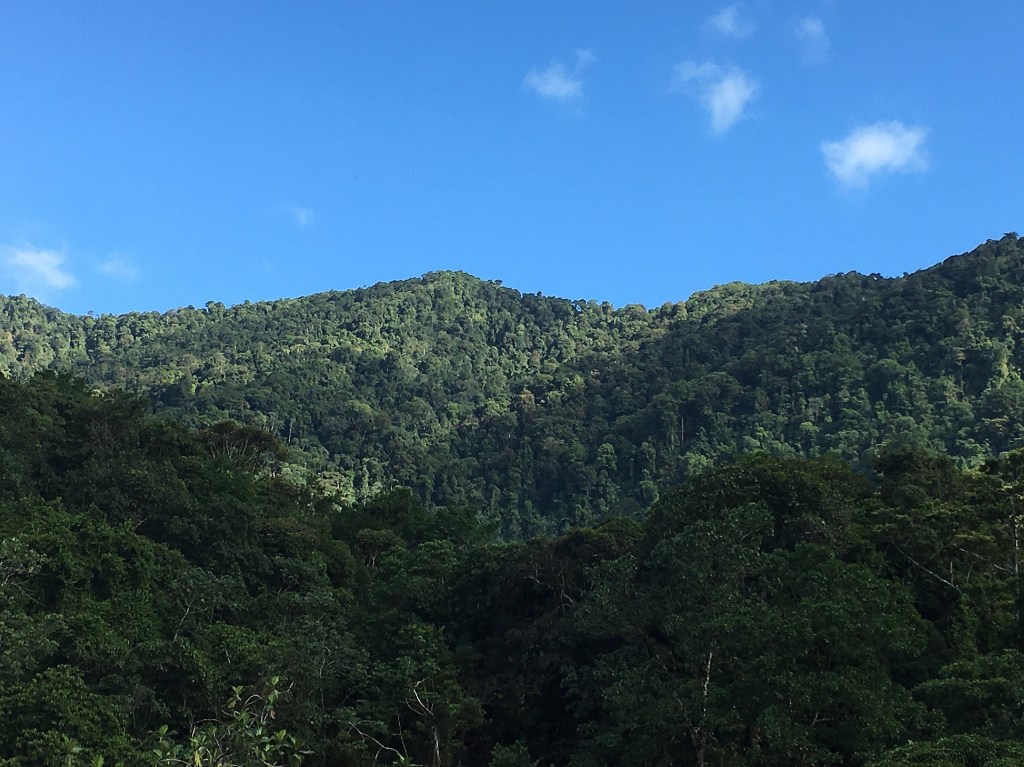
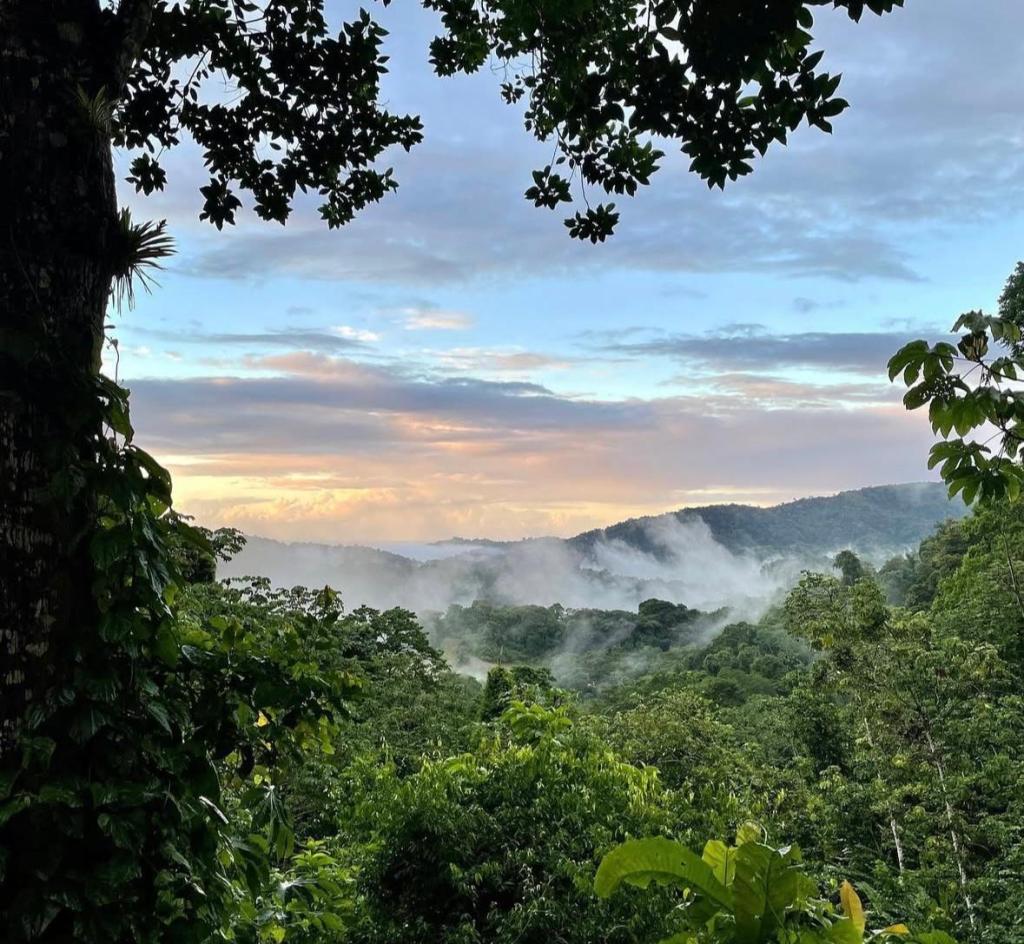
Cerro del Aripo – The highest point in Trinidad, standing at about 940 meters, home to rare plants and animals. Other notable areas include the Maracas Valley, Paramin, and the Asa Wright Nature Centre.
(Trini Jungle Juice, 2021)
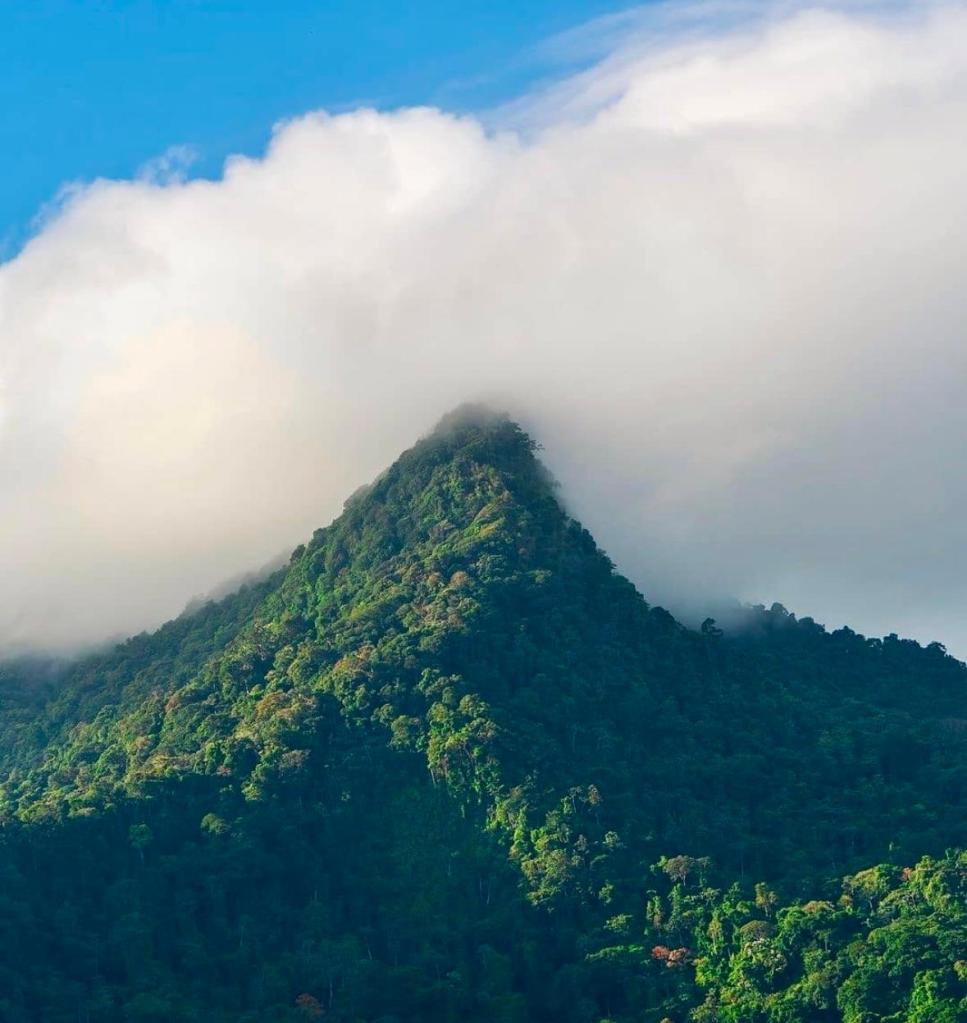
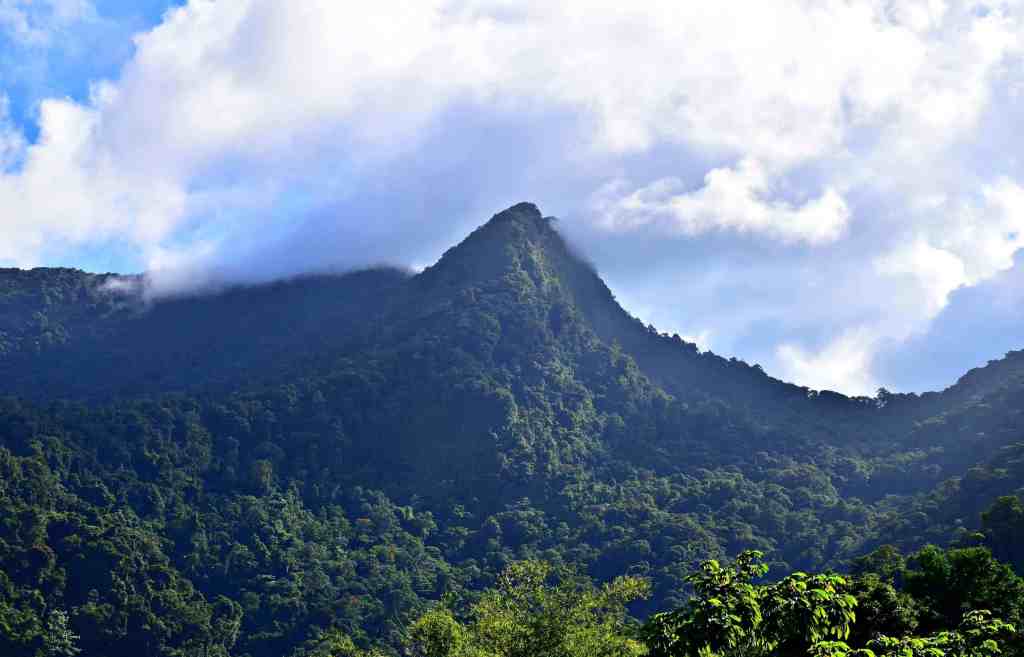
El Tucuche – The second highest peak at approximately 936 meters, famous for its views and unique wildlife.
(Trini Jungle Juice, 2021)
Flora and Fauna of the Northern Range
The Northern Range is rich in biodiversity. It is home to:
- Over 100 species of mammals, reptiles, and amphibians.
- A variety of birds, including the national bird, the Scarlet Ibis (which feeds near the range).
- Unique plant species like orchids, ferns, and towering rainforest trees. This biodiversity makes the Northern Range one of the most important ecological regions in Trinidad and Tobago.
Importance to Trinidad
The Northern Range plays a critical role in:
- Water supply – Rivers originating from the range provide drinking water and irrigation.
- Cultural heritage – Indigenous peoples once inhabited these mountains, and several cultural traditions are tied to the land.
- Tourism and recreation – Hiking, bird-watching, and exploring waterfalls are popular activities.
- Climate regulation – The forests help regulate temperature and rainfall patterns across the island.
Conservation and Threats
Despite its importance, the Northern Range faces threats such as deforestation, quarrying, and illegal farming. Conservation efforts are led by organizations like the Environmental Management Authority (EMA) and non-profits that work to protect its forests, rivers, and wildlife. Sustainable tourism and education programs are also important to preserving the range for future generations.
References
Droneshott. (2025, March 30). Discover the stunning landscapes of Northern Range in Trinidad [Video]. TikTok. https://www.tiktok.com/@droneshott/video/7487626806724480261
Encyclopædia Britannica. (n.d.). Northern Range. Britannica. https://www.britannica.com/place/Northern-Range
Millennium Ecosystem Assessment. (n.d.). Trinidad: People and the Northern Range. https://www.millenniumassessment.org/en/SGA.Trinidad.html
Peakery. (n.d.). El Cerro del Aripo – Trinidad and Tobago. https://peakery.com/el-cerro-del-aripo-trinidad-and-tobago/
Rampersad, S. (2019, March 16). Destruction of the Northern Range. Trinidad Guardian. https://www.guardian.co.tt/news/destruction-of-the-northern-range-6.2.802110.0bc76ef0b3
Trini Jungle Juice. (2021, March 5). El Tucuche is the second highest peak in Trinidad’s Northern Range and is noted for its interesting pyramidal shape. It is fabled in Amerindian lore as a sacred mountain [Status update]. Facebook. https://www.facebook.com/trinijunglejuice/posts/el-tucuche-is-the-second-highest-peak-in-trinidads-northern-range-and-is-noted-f/10159687789684560/
 Trinidad Swamps and Ranges